Nana Organics logo

South African made

Nana Organics MICRO · GROW · BLOOM

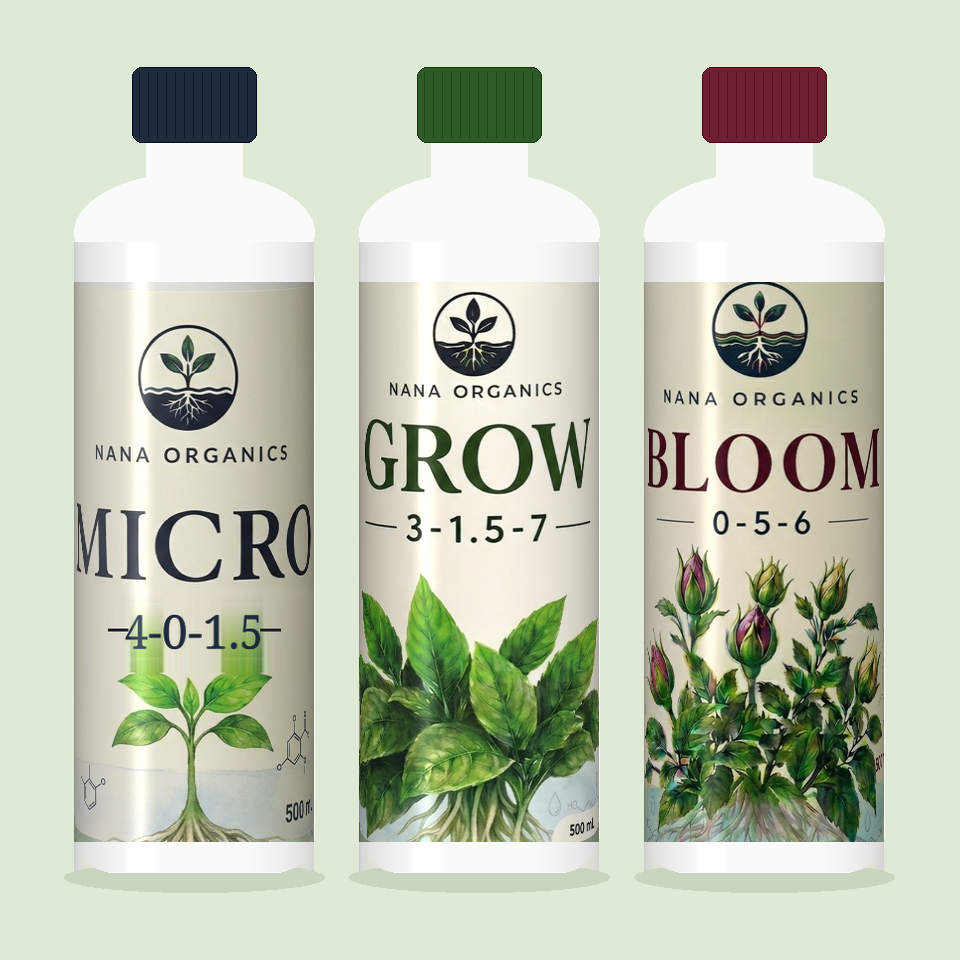
Three bottles, one hydroponic nutrient system. Use MICRO, GROW and BLOOM together at 3 mL of each per litre of water. Formulated in South Africa. Test your source water and measure tank pH and EC after mixing.

Not yet in stock — browse the range, plan your mix and join the newsletter while we prepare launch.

Made in SA
Free shipping on orders of R500 or more
MICRO, GROW and BLOOM 500 mL three-part nutrient set

What we make, and why

Grow beyond the limits of soil. Hydroponics brings water and nutrients directly to plant roots, opening up new ways to grow leafy greens, herbs and fruiting crops—even where garden space is limited. Recirculating systems can reuse water, while measured feeding puts more of the growing process in your hands.

Nana Organics makes MICRO, GROW and BLOOM: one South African three-part nutrient system with a clear purpose for every bottle. Our focus is practical confidence—understand what you are feeding, measure it consistently and build a growing routine you can follow. Clear nutrient declarations, straightforward directions and useful tools put substance behind the brand.

Soil-free growing lets you monitor the water reaching your roots and make informed decisions about your setup. From compact towers to larger reservoirs, the right system can make productive use of available space. Light, water quality and good management still matter.

The three-part system

The bottles are complementary parts, not alternatives for different growth stages. Add MICRO to water first and mix, then add GROW and mix, then BLOOM. Use 3+3+3 mL/L and maintain hydroponic tank pH at 5.5–6.0. Never mix undiluted concentrates.

MICRO
Part 1

NPK 4-0-1.5 with 4.4% calcium and micronutrients. Add first; use with GROW and BLOOM.

GROW
Part 2

NPK 3-1.5-7 with 0.8% magnesium. Supplies nitrogen, potassium, phosphorus, magnesium and sulphur. Use with MICRO and BLOOM throughout the cycle.

BLOOM
Part 3

NPK 0-5-6 with 0.9% magnesium. Use with MICRO and GROW throughout the cycle.

Hydroponic hardware for your three-part system

Hydroponic configurations for MICRO, GROW and BLOOM. Confirm dimensions, planting capacity, included equipment and delivery in a written quotation.

NFT channels

NFT channels

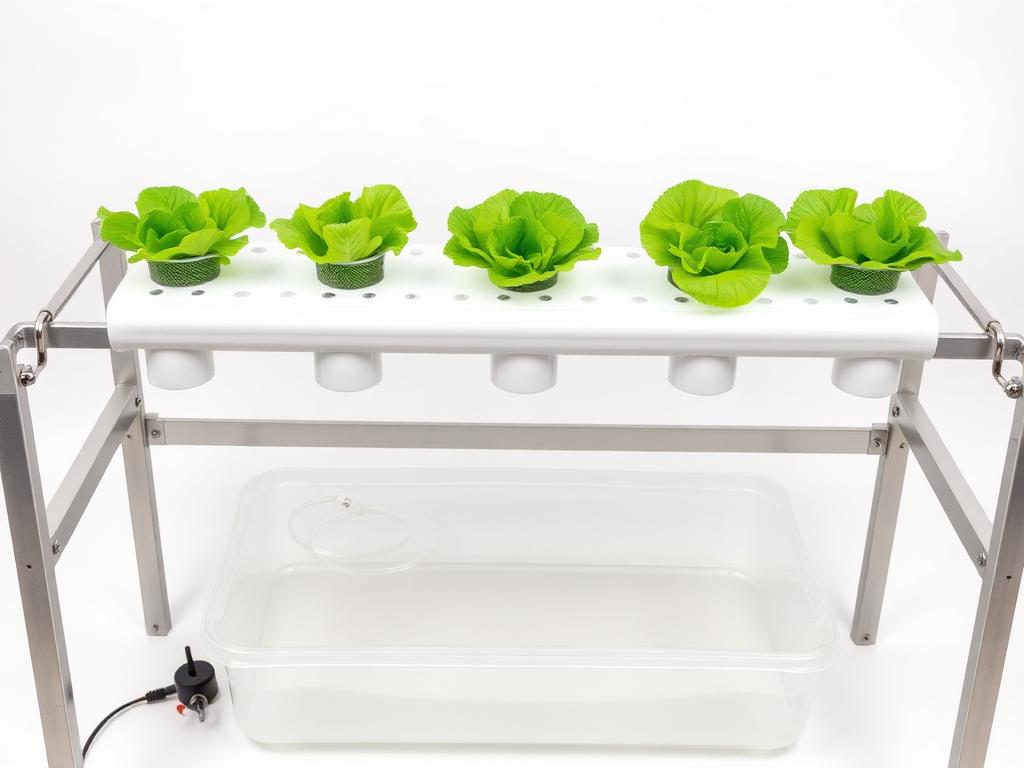
Channel options for leafy greens and herbs. Use the complete MICRO, GROW and BLOOM system. Confirm configuration and delivery in a written quotation.

DWC and Dutch bucket

DWC and Dutch bucket

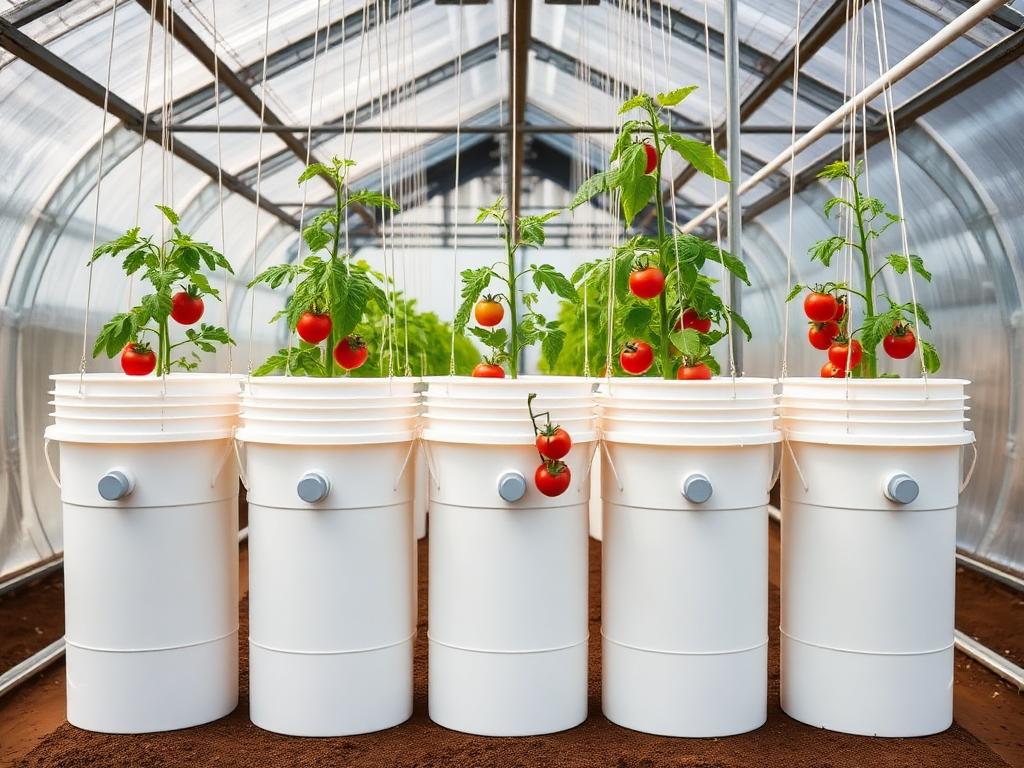
DWC and Dutch-bucket configurations to discuss for suitable crops. Confirm aeration, media, supports, irrigation and supplied equipment in a written quotation; use the complete NaO nutrient system.

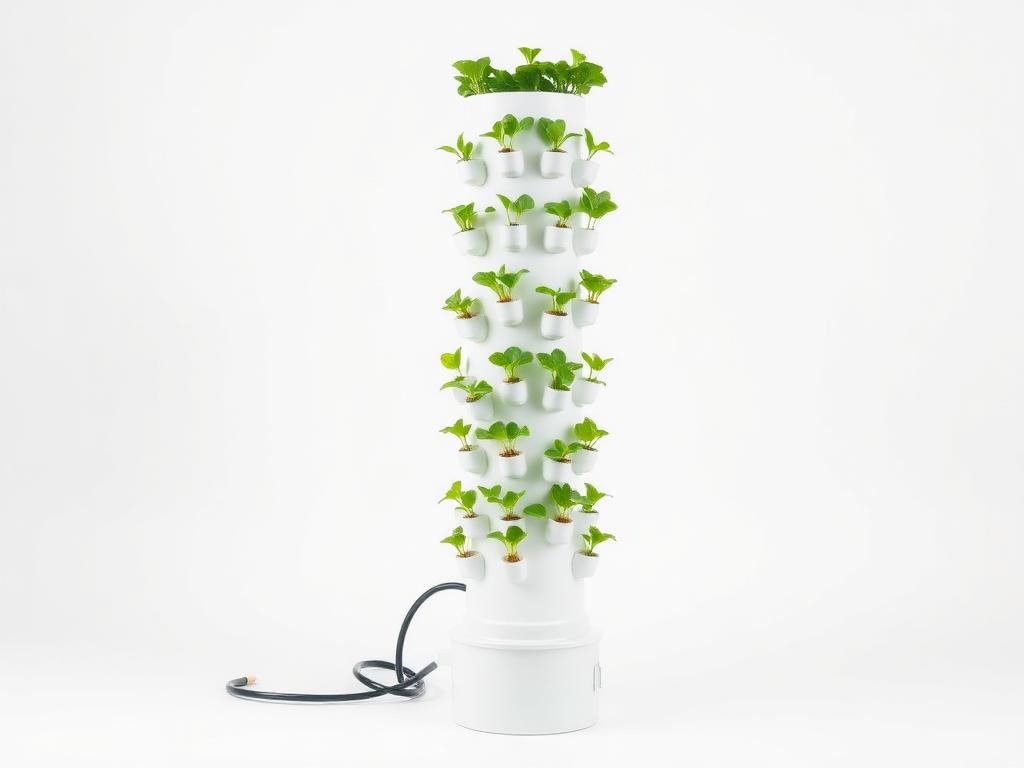
Vertical tower hydroponics

Vertical tower hydroponics

A vertical growing configuration for leafy greens, herbs and suitable strawberries. Pair with MICRO, GROW and BLOOM. Confirm planting sites, pump, reservoir and delivery in your quotation.

The hydroponic feed chart, free PDF

EC, pH and ml/L mixing rates for six common SA hydroponic crops, with the current 3+3+3 mL/L mixing instructions.

Newsletter

Occasional grow notes and crop updates. No spam.

We'll never share your email. Unsubscribe anytime.

A practical starting point for hydroponic growing

Begin with crop, water and space

Hydroponics delivers mineral nutrients through water without soil. Plants still need suitable light, root-zone oxygen, hygiene and ongoing care. Choose a crop for your climate and time available, assess water quality and start with an observed trial rather than assuming a larger installation guarantees yield.

MICRO, GROW and BLOOM are one complementary system. Product pages describe each part; the 360° pages show illustrative packaging and nutrient declarations. Systems are complementary hardware by quotation. Crop guides and diagnostics provide cultivation context, not validated Nana Organics performance claims.

Understand your source water and readings

Source water already contains dissolved substances. Its pH, electrical conductivity (EC) and alkalinity describe different things: pH measures acidity or alkalinity at that moment, EC indicates overall dissolved-ion concentration, and alkalinity helps explain resistance to pH adjustment. A high pH alone does not identify the substances in the water. Water analysis is particularly useful when a reservoir repeatedly drifts or plants develop persistent symptoms.

Measure water before mixing and the solution afterwards with calibrated meters. EC cannot confirm individual nutrient concentrations, the bottle ratio or an independent nutrient assay. Crop EC references are not guaranteed outcomes of the Nana Organics dose. Check your measurements and request crop-specific advice if the mixed solution is unsuitable. Record readings at a consistent time and note water additions, weather and irrigation changes alongside them.

Further reading

These sources support general cultivation guidance, not verified Nana Organics product performance. Current NaO instructions take precedence over another brand’s feeding schedule.